
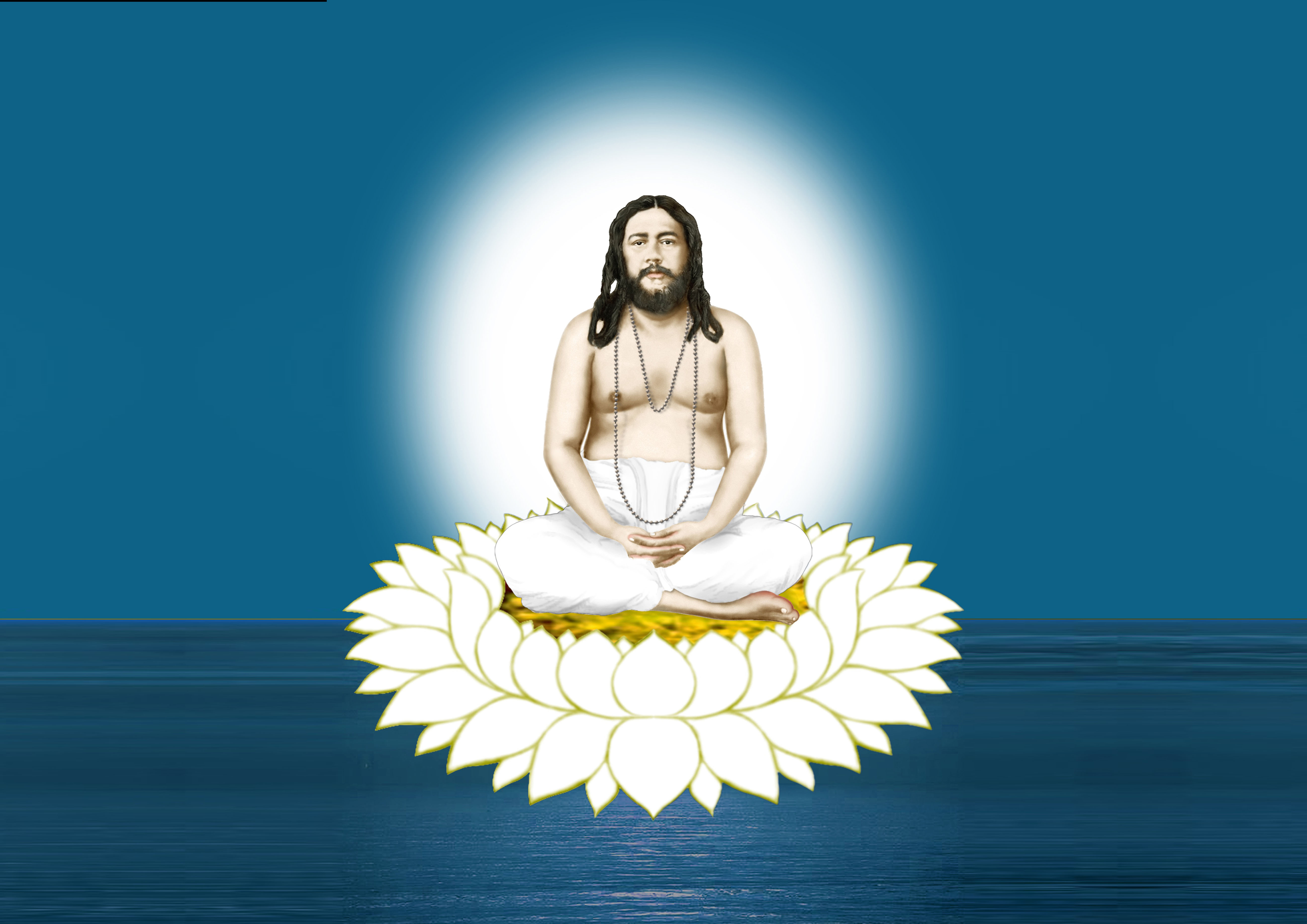
Yogi Guru: Publication and Related Teachings
How the NSS catalog describes this work
Yogi Guru (English): All about Yoga
Yogiguru (Hindi): Detail of Yoga Sadhana
योगीगुरु (Marathi): All about Yoga and it's practices
யோகிகுரு (Tamil): Yogi Guru - A book by Yogi Guru Swami Nigamananda Saraswati Dev of all about Yoga and it's practical way to attain GOD
యోజిగురు (Telugu): Yogi Guru - A book by Yogi Guru Swami Nigamananda Saraswati Dev of all about Yoga and it's practical way to attain GOD
Publications in the NSS Biography
In the prevailing atmosphere of confusion in ideals and spirituality among his countrymen, he first sought to call the attention of the so called educated people for rediscovering the merits of Sanatana Dharma. He wrote five books - Bramhacharya Sadhana, Yogiguru, Jnaniguru, Tantrikguru, and Premikaguru - which are invaluable for any seeker on the path of spirituality. He edited and published a path breaking and reformist periodical ‘Arya Darpana’ in 1908 (one of the earliest periodicals of India). It was widely received as a trend-setting journal on religion and spirituality and acted as the mouthpiece of Sanatana Dharma.
Related spiritual context from the NSS website
The following passages describe Thakura's life and teachings in the NSS Biography and Philosophy. They are not excerpts from this book.
Yoga sadhana and realization
On the advice of guru Satchidanda, Nalinikanta went to attain the direct experience of this Vedic truth through yoga. Led by providence, Nalinikanta was able to find his yogi guru Sumeru Dasji most dramatically, in the thick and inaccessible forests near the holy place of ‘Parasuram’ (in the north-eastern India). After completing ‘yoga sadhana’ (practice of yoga) under the masterful guidance of yogiraj Sumeru Dasji, he attained the state of ‘Nirbikalpa Samadhi’ (non-dual existence/complete identification with the Cosmic Soul or the Parambramha), at once pervading the universe and transcending it. He came back from that blissful state with the realization that he is the ‘universal guru’ i.e. the ‘supreme soul’.
He then found the most satisfying answer to his query, "Who am I?"
The four disciplines
Thus Nigamananda became perfect in Tantra, Jnana, Yoga and Prema/Bhav, all the four ways envisaged in Sanatana Dharma (ever new/eternal, and universal spiritual principles based on Vedic knowledge) to reach the highest spiritual goal. During the 1905 Kumbha Mela at Ujjain, Swami Satchidananda Saraswati conferred the title of ‘paramahansa’ on Nalinikanta in recognition of his spiritual merits in a huge gathering of leading sadhus and renunciates under the auspices of the then Shankaracharya of Sringery Matha.
Reading the original work
The catalog identifies available editions and describes some of their subjects. Detailed chapter summaries and quotations from this work require the original publication; the website source material used here does not contain its full text. Contact the publisher through the publications directory for the original work.
Available catalog editions
Sources and attribution
Publication information: NSS publications catalog. Historical and spiritual context: existing NSS Biography and Philosophy; original article authors are not credited in those sources.
Reproduced from the existing NSS website; no separate reviewer or review date is recorded.