
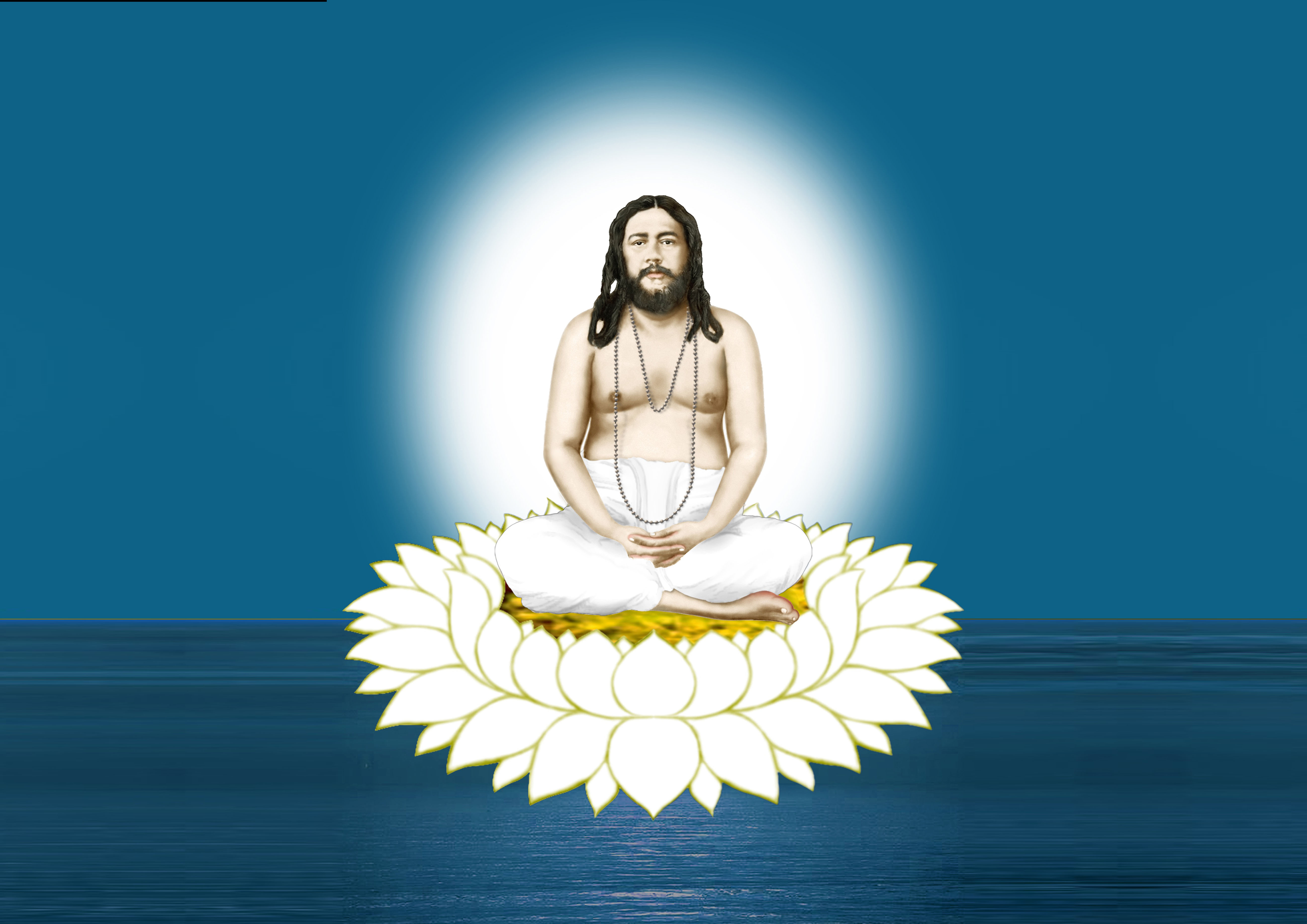
Tantrika Guru: Publication and Related Teachings
Publications in the NSS Biography
In the prevailing atmosphere of confusion in ideals and spirituality among his countrymen, he first sought to call the attention of the so called educated people for rediscovering the merits of Sanatana Dharma. He wrote five books - Bramhacharya Sadhana, Yogiguru, Jnaniguru, Tantrikguru, and Premikaguru - which are invaluable for any seeker on the path of spirituality. He edited and published a path breaking and reformist periodical ‘Arya Darpana’ in 1908 (one of the earliest periodicals of India). It was widely received as a trend-setting journal on religion and spirituality and acted as the mouthpiece of Sanatana Dharma.
Passage attributed to Tantrik Guru in NSS Mahila Sangha
The existing NSS Mahila Sangha article attributes the following passage to Tantrik Guru. It does not identify an edition or page number.
It is not in the command of Jeeva (man) to keep itself away from the attraction of women by spite or by any other means. Conversely, it is seen that, a baby boy for that matter can keep woman in his command. A woman would worry herself to no ends for the all-round happiness of the baby. She would forget the world around her holding the baby boy in her bosom, enveloped with the sense of motherliness.
Related spiritual context from the NSS website
The following passages describe Thakura's life and teachings in the NSS Biography and Philosophy. They are not excerpts from this book.
Tantra sadhana at Tarapeetha
One night Nalinikanta saw one Sadhu with a brilliant aura around him in his dream. He woke up to find the Sadhu standing beside his bed in ‘reality’. The Sadhu handed out to him a ‘bilwa’ leaf bearing a mantra written on it and then disappeared. Nalinikanta was spellbound by the incident. He did not know what to do with the mantra. No sadhu or spiritual teacher, whom he consulted, could decipher the mantra nor could they give him any guidance about what to do with it. At this point of time a crestfallen Nalinikanta received directions in his dream to go to the greatest Tantrik Guru of that time - Bamakshepa, at the ‘Tarapeetha’ of Birbhum, in West Bengal. Bama was extremely pleased to see the unique ‘Veeja Mantra’ (root/source mantra) of Goddess Tara which Nalinikanta had received in his dream, and readily accepted him as his disciple. Within a short span of one month, Nalinikanta was able to master the secrets of the Tantrik ways (tantra sadhana) of attaining spiritual success. As a mark of perfection of his sadhana (spiritual practice), ‘Tara’ or ‘Mahashakti’ (the embodiment of cosmic energy) appeared before him in the form of his wife Devi Sudhansubala and granted him the boon that he would be able to see Her in that form whenever he would so wish.
The search for knowledge of the Self
But later on, Nalinikanta became discontent as the form of Sudhansubala eluded physical contact with him. Moreover, Nalinikanta observed in disappointing wonder that that form would materialize out of his person no sooner than he wanted to see Her but would melt away into the same whenever he tried to hold Her in embrace. He was puzzled by this highly tantalizing experience. He began to wonder, "If ‘Mahashakti’ originates from me only, then who am I?"
Overpowered by a consuming desire to know his ‘self’, Nalinikanta sought the advice of guru Bamakshepa. The latter advised him to attain the knowledge of ‘Advaita’ from a Vedantic guru. He became a disciple of Guru Srimat Swami Satchidananda Saraswati at the holy place of ‘Pushkar’ in the state of Rajasthan. He instantly realized that Swami Satchidananda Saraswati was the sadhu who gave him the ‘Tara’ mantra in his dream. The swami initiated Nalinikanta into the arduous practice of Sanyas (renunciation) and in due course named him ‘Nigamananda’, in consideration of his sound comprehension of the Vedic (nigama) knowledge (jnana) with facility.
Reading the original work
The catalog identifies available editions and describes some of their subjects. Detailed chapter summaries and quotations from this work require the original publication; the website source material used here does not contain its full text. Contact the publisher through the publications directory for the original work.
Sources and attribution
Publication information: NSS publications catalog. Historical and spiritual context: existing NSS Biography and Philosophy; original article authors are not credited in those sources. The separately labelled Tantrik Guru passage is attributed to Swami Nigamananda by the existing NSS Mahila Sangha article; its original edition and page number are not specified.
- NSS publications catalog
- NSS Biography - After Attainment Of Truth
- NSS Philosophy
- NSS Mahila Sangha - attributed Tantrik Guru passage
Reproduced from the existing NSS website; no separate reviewer or review date is recorded.